

- Home
- MEDIA CENTER
- News
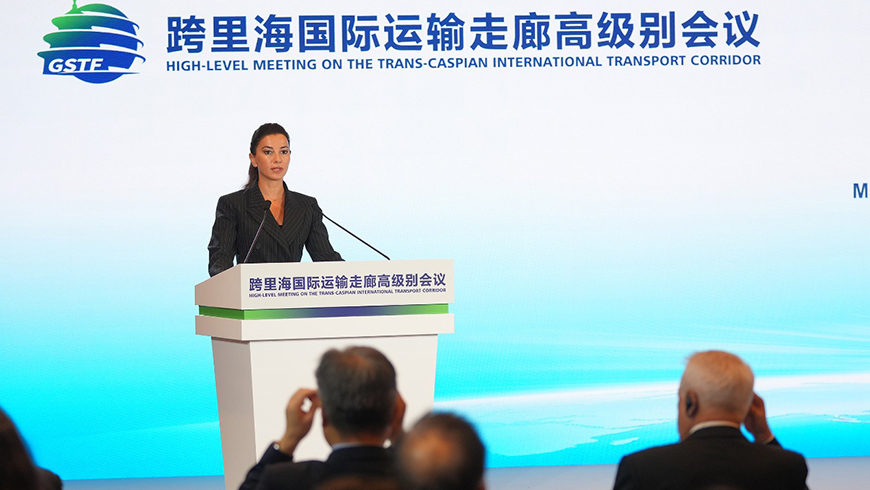
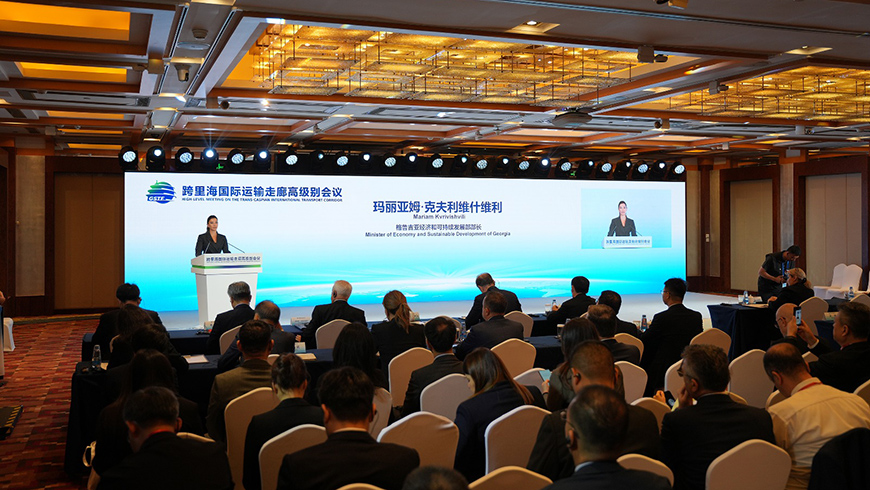
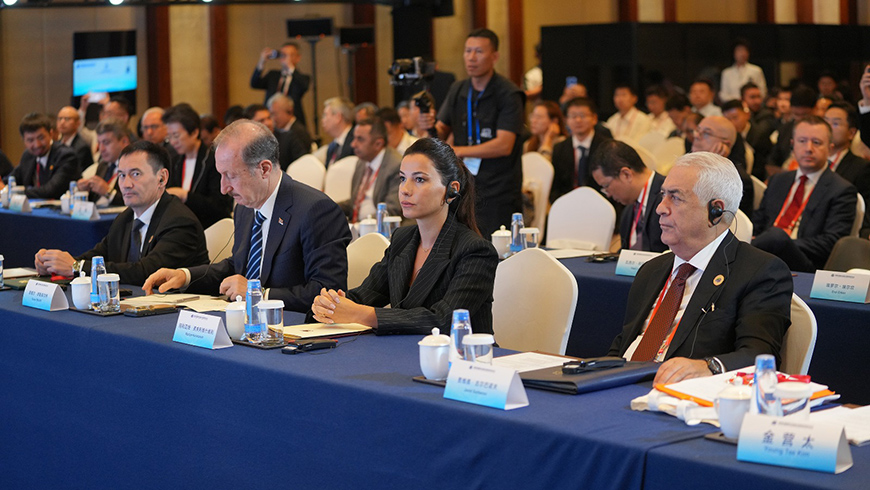
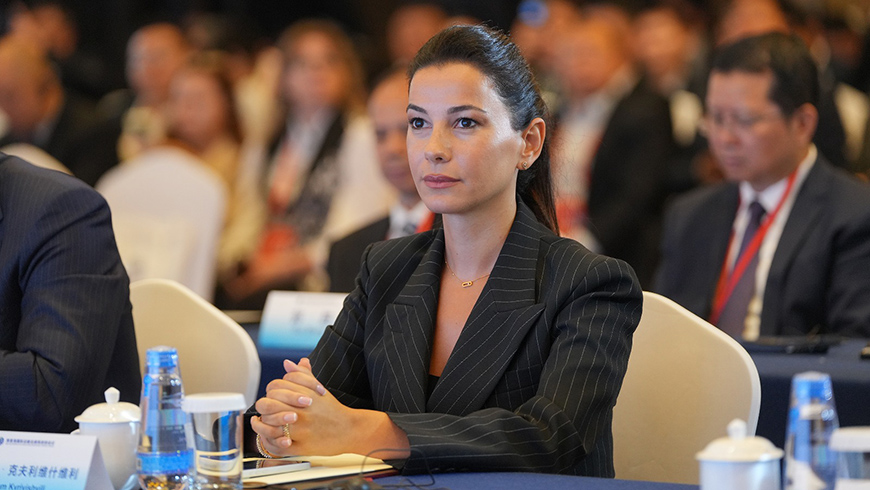
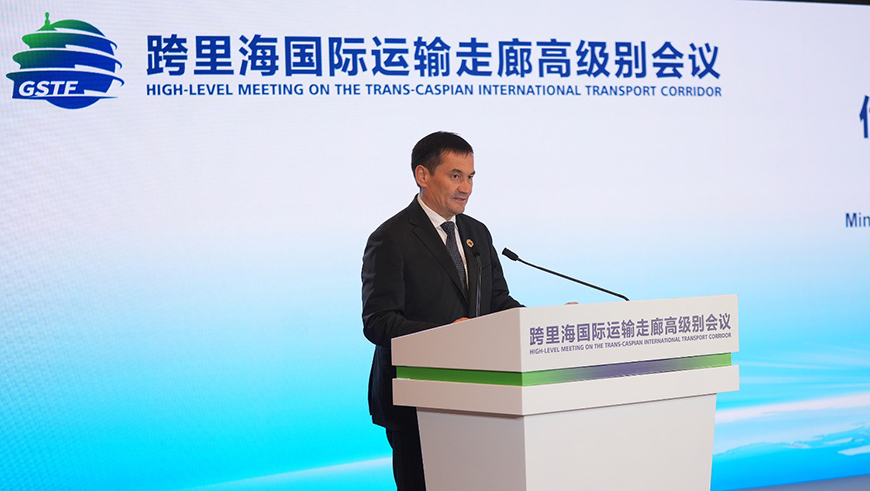
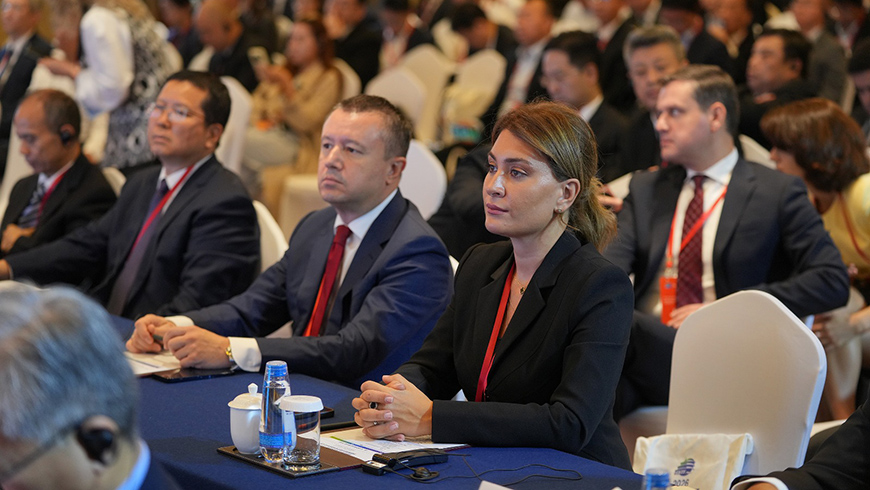
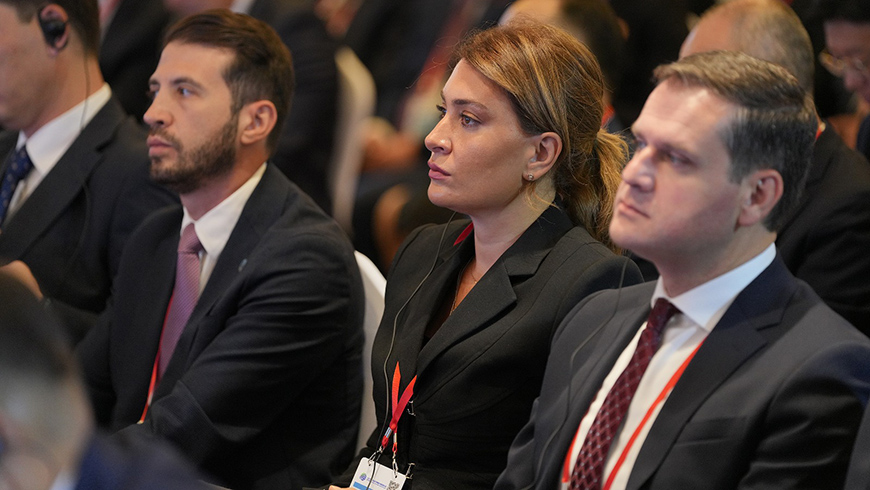
Georgia’s Minister of Economy and Sustainable Development, Mariam Kvrivishvili, participated in a high-level meeting regarding the Trans-Caspian International Transport Route, held within the framework of the Global Sustainable Transport Forum in China and addressed the audience.
As part of the event, participating countries joined a joint initiative to support increasing the capacity, reliability, efficiency and competitiveness of the Trans-Caspian International Transport Corridor. This initiative outlines the main directions and priorities for cooperation among member nations to further develop the Middle Corridor.
Under this initiative, special emphasis is placed on coordinating transport policies, developing infrastructure, streamlining customs and border procedures, enhancing the efficiency of transport operations, including through the implementation of digital technologies and systems, as well as promoting business involvement and strengthening people-to-people ties.
According to the Minister of Economy and Sustainable Development, for years the Middle Corridor was primarily regarded as an alternative transport route connecting Asian and European markets. Today, however, its role extends far beyond that framework.
“Increasing freight flows, major infrastructure investments and the strengthening of regional cooperation are shaping the corridor into an increasingly vital bridge connecting our regions.
That is why Georgia welcomes the initiative to “Promote Capacity Growth and Efficiency Enhancement of the Trans-Caspian International Transport Corridor.” The objective of this initiative fully aligns with the current needs of the corridor’s development and is directed toward further boosting its throughput capacity, efficiency and competitiveness.
Achieving this goal requires not only the development of individual transport modes, but also their tighter integration and effective interconnection. Consequently, our aim is to further develop and enhance this synergy so that various transport sectors complement one another and contribute to establishing a more seamless and efficient corridor,” – Mariam Kvrivishvili stated.
According to Kvrivishvili, recent statistical data also clearly confirms the growing significance of this approach.
“In January–August 2026, the volume of cargo processed at Georgia’s maritime ports and terminals increased by 24% compared to the same period last year, while cargo transported by rail showed an 11% annual growth, marking a record high over the last decade. It is particularly noteworthy that transit rail transport grew by 14%, which constitutes the key focus of our discussion today. This growth obliges us to prepare for the next stage of the corridor’s development.
Georgia is addressing this task through a strategic 10-year transport development roadmap, under which approximately 7 billion USD is earmarked for priority infrastructure projects through 2032. Our goal is to double the capacity of maritime and rail networks and triple the total capacity of the country’s airport infrastructure. We are already working in this direction,” – Mariam Kvrivishvili stated.
As the Minister noted in her speech, Georgia’s contribution to the development of the Middle Corridor extends beyond individual infrastructure projects. The country’s geographical location grants it a unique role as a hub for regional connectivity, with the Black Sea at the core of this function.
“That is precisely why the Anaklia Deep Sea Port is a key project for the Middle Corridor. The development of the port is proceeding under the internationally recognized Landlord Port model, which provides a clear framework for private investment, as well as for broad regional and international engagement,” – the Minister of Economy and Sustainable Development emphasized.
According to Mariam Kvrivishvili, Georgia is not alone in making such investments. Partners in Azerbaijan, Kazakhstan, and across Central Asia are likewise expanding their transport and logistics capabilities.
“As these investments accelerate along the corridor, strengthening coordination becomes vital. Today, by establishing dedicated coordination mechanisms at the ministerial and working levels for the Trans-Caspian International Transport Corridor, we are taking a significant step forward, as this marks a new stage in the corridor’s development. Connecting political-level coordination with practical implementation will allow us to turn our shared commitments into concrete results across the corridor.
By leveraging these mechanisms effectively, we will be able to better align infrastructure development, eliminate bottlenecks along the route, and work more efficiently on the factors that ultimately define the corridor’s competitiveness: transit time, border and customs procedures, digital interoperability, as well as competitive and transparent unified tariffs.
The end result must be a corridor that operates efficiently and predictably from origin to final destination. However, our ambition must extend further: to transform the Middle Corridor into a broader economic corridor that connects markets, attracts investments and creates new opportunities in our regions,” – Mariam Kvrivishvili stated.
According to the Minister of Economy and Sustainable Development, “China represents the main driving force behind the development of the Middle Corridor, as clearly evidenced by its steadfast support for the Belt and Road Initiative and the China-Europe Railway Express.”
“By making strategic investments in railway, port and digital infrastructure, China plays a vital role in developing regional trade, strengthening partnerships across Central Asia and the South Caucasus, and contributing to the enhancement of the region’s transport links and connectivity. Georgia expresses full readiness to fulfill its commitments and is already actively engaged in their implementation.
We stand ready for close cooperation with China and the countries participating in the context of the Middle Corridor to translate our strategic decisions into concrete and tangible results along the entire route,” – Mariam Kvrivishvili noted.
Georgia’s Minister of Economy and Sustainable Development Mariam Kvrivishvili, alongside Deputy Ministers Tamar Ioseliani, Genadi Arveladze and Irakli Nadareishvili, participated in the Global Sustainable Transport Forum in the People’s Republic of China.


- SERVICES
- Inventory of Licenses and Permits
- Tourism
- Communication, Information and Modern Technologies
- National Quality Infrastructure
- ECONOMIC POLICY
- SME Development Strategy of Georgia
- Foreign Trade
- Energy
- Transport
- Communications, Information and Modern Technologies
1403
2 99 11 11
2 99 11 61
2 99 11 70