

- Home
- MEDIA CENTER
- News
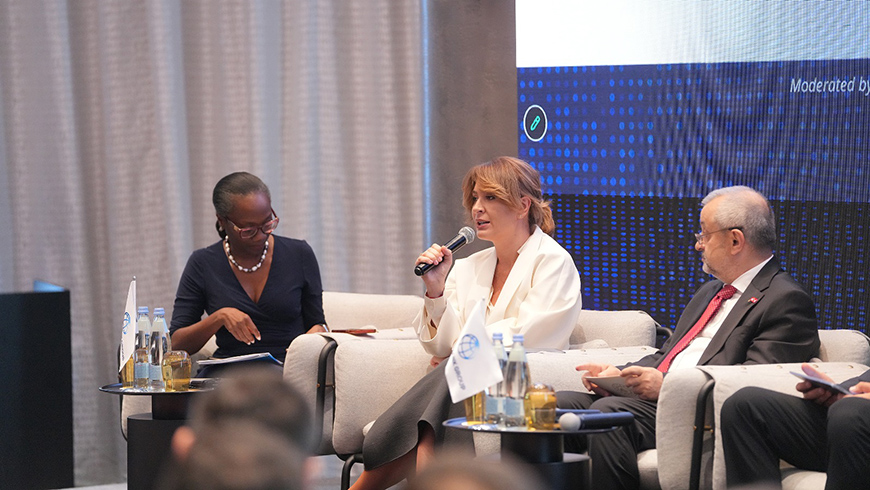

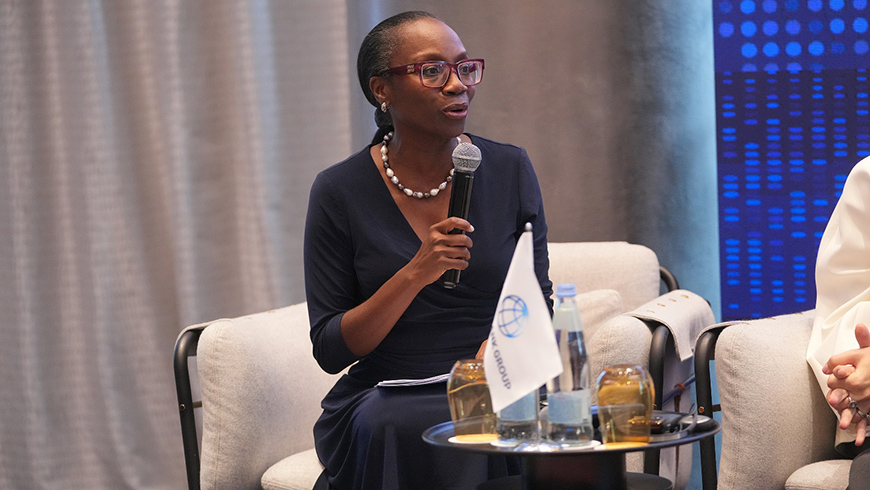
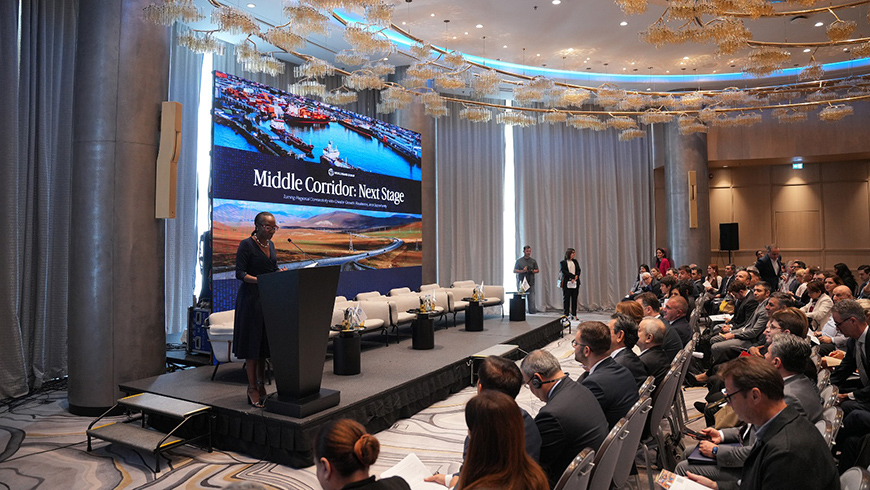

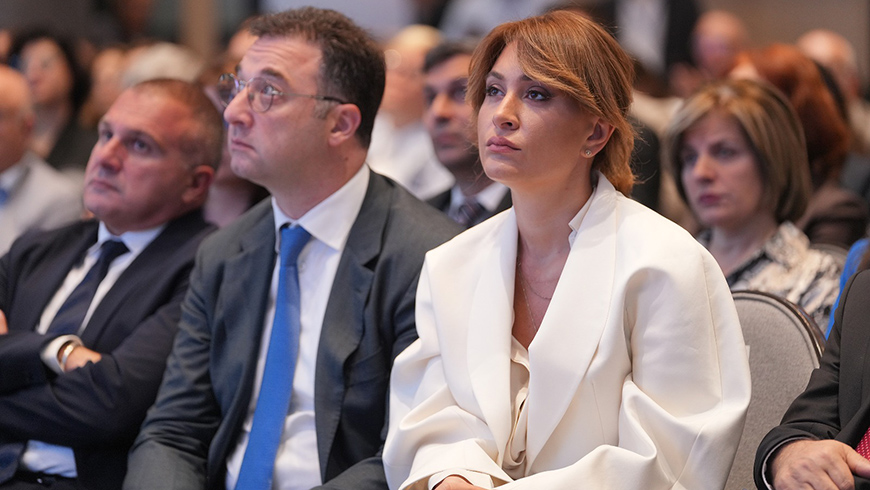
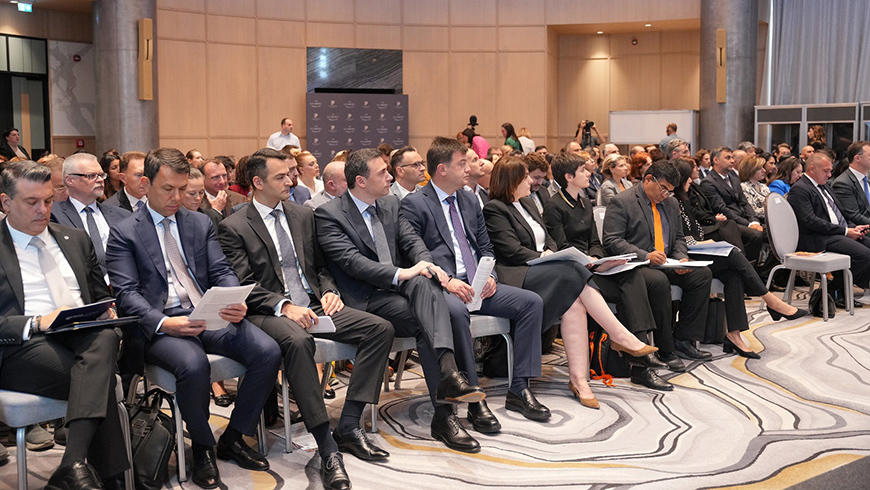
Tamar Ioseliani, Deputy Minister of Economy and Sustainable Development, participated in the regional forum “The Middle Corridor: Next Steps,” organized by the World Bank Group, where she delivered a speech during a panel discussion.
Tamar Ioseliani emphasized the strategic importance of developing Georgia’s transport and logistics potential and highlighted key ongoing projects and reforms in the country.
According to the Deputy Minister, Georgia has a 10-year development plan for the transport sector, which entails an investment of USD 7 billion in transport infrastructure. In addition to ports and railways, this plan encompasses airports.
“Along with infrastructure improvements, we are also working on digitalization to develop a next-generation corridor. Notably, 2025 was a record year in terms of cargo turnover, where the role of digital technologies has been fully integrated. We have completed the railway modernization. The Baku-Tbilisi-Kars railway became fully operational in June 2026, increasing its capacity to 5 million tons. We are also working on port development. It is worth noting that, alongside state efforts, private partners operating at Poti Port are developing and expanding their capacities to make Georgia an even more reliable partner in the Middle Corridor. Furthermore, Georgian Railway is undergoing a historic modernization process. In 2026, an investment of GEL 1 billion will be made to renew rolling stock and further develop the sector,” – the Deputy Minister stated.
Tamar Ioseliani highlighted that with the support of the Ministry of Finance and the Customs Service, customs clearance times have been significantly reduced, marking a crucial step forward in improving operational efficiency.
“We have reduced transit times by 50%, which is vital both for us and for the efficient functioning of the corridor as a whole. Regarding road transport, we are working with regional partner countries, including Azerbaijan, Kazakhstan and other states, to implement an electronic permit system. As for the maritime component, we have introduced the Maritime Single Window system, which substantially facilitates prompt and efficient vessel servicing,” – Tamar Ioseliani stated during the panel discussion.
Concluding her speech, the Deputy Minister noted that the government collaborates closely with the business sector, with strategic projects such as the Tbilisi Dry Port being implemented through private sector involvement.
The report prepared by the World Bank notes that, given its strategic location between the Caspian and Black Seas, Georgia already plays a leading role in the Trans-Caspian Transport Corridor (TCTC) and will serve a key function in shaping its future.
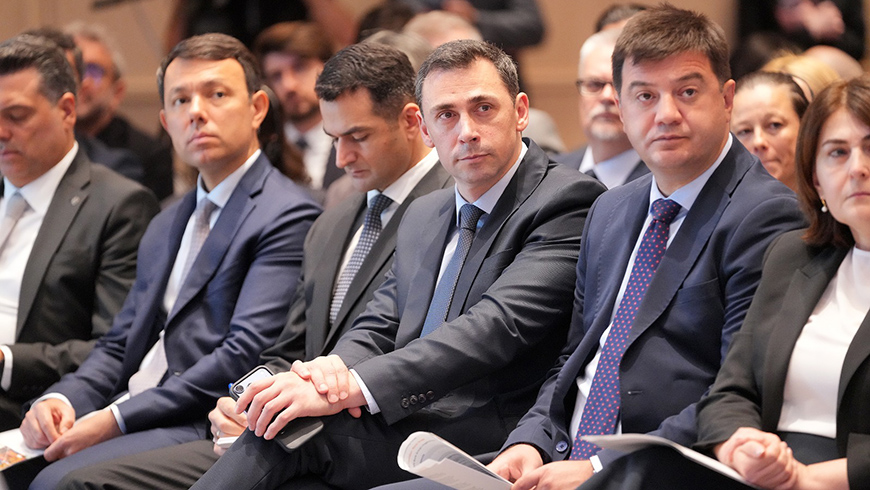
The event was attended by representatives of governments, the private sector, and international organizations from Georgia, Armenia, Azerbaijan, Kazakhstan and Türkiye. The forum also featured the official launch of the World Bank’s new report, “Integration: World-Class Trade Logistics Along the Trans-Caspian Transport Corridor.”


- SERVICES
- Inventory of Licenses and Permits
- Tourism
- Communication, Information and Modern Technologies
- National Quality Infrastructure
- ECONOMIC POLICY
- SME Development Strategy of Georgia
- Foreign Trade
- Energy
- Transport
- Communications, Information and Modern Technologies
1403
2 99 11 11
2 99 11 61
2 99 11 70