

- Home
- MEDIA CENTER
- News
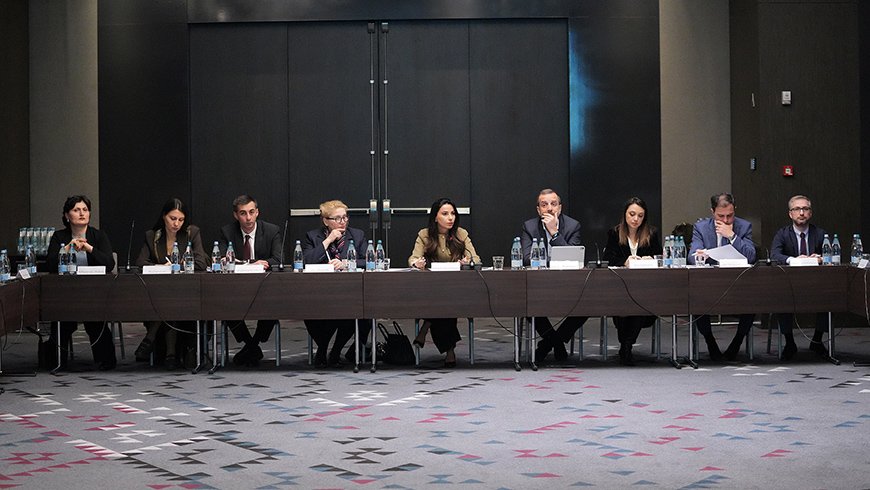
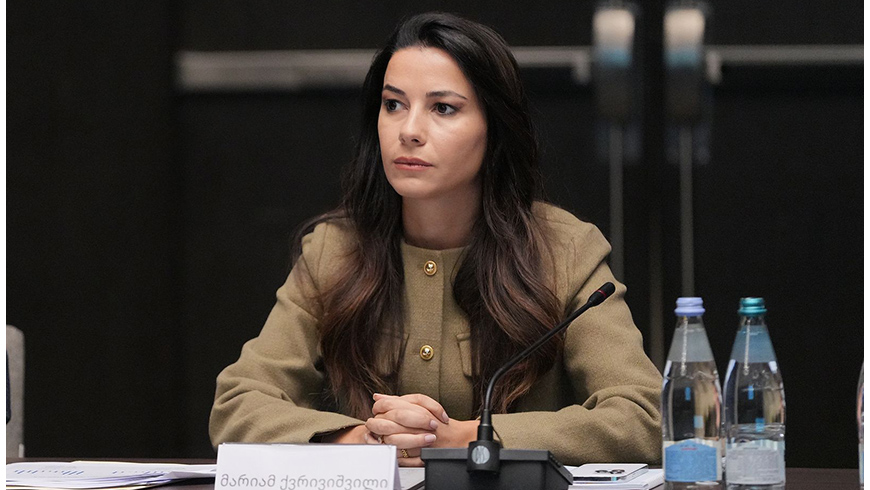
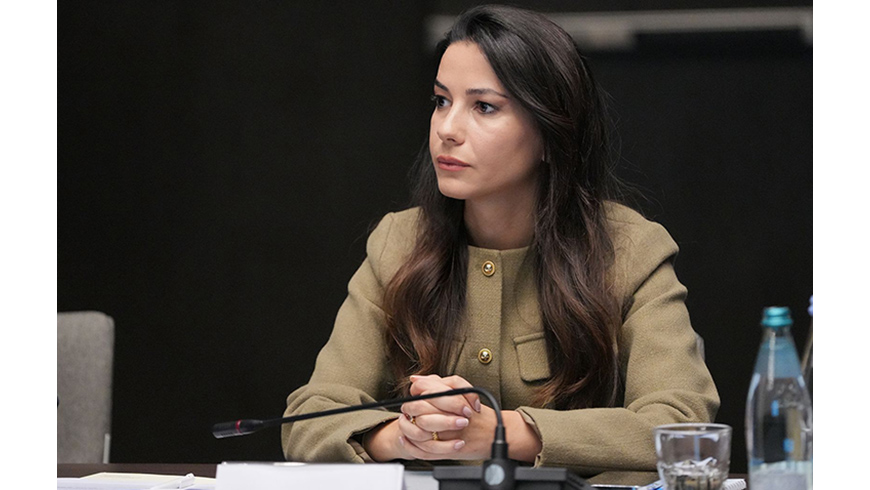
“The government’s objective is for the country’s installed capacity to reach 11500 MW by 2036 and for the electricity sector to become completely self-sufficient. This is a guarantee of our country’s independence and security, which directly implies that Georgia must zero out imports and fully provide for internal needs with electricity generated within the country” –Mariam Kvrivishvili, Minister of Economy and Sustainable Development, stated at the meeting with energy sector representatives.
The Minister introduced the details of the ten-year energy development plan to business representatives. According to Kvrivishvili, “The first phase of the plan involves adding 4000 MW of capacity through solar, wind, and hydropower. As for the second phase, within 2032 and 2036, a total of up to 2750 MW should be added, and this phase is primarily directed toward projects such as large hydropower plants. All projects have defined reasonable timeframes for development, construction, and operation, and this is precisely the logic behind the 4000 and 2750 MW.”
In her speech, the Minister also overviewed ongoing reforms and government decisions in the energy sector aimed at attracting investment, increasing domestic energy generation and enhancing energy security.
Mariam Kvrivishvili noted that the Georgian State Electrosystem (GSE) will require approximately 570 million euros over 5 years to successfully integrate the 4000 MW capacity and purchase storage batteries. As about the second phase during the 2032-2036 period, the power system will need an additional investment of 400 million euros to ensure the connection of 11500 MW to the grid by 2036.
The Minister noted that the process of working on the 10-year development plan revealed a necessity to change the grid connection rules: the review process for any energy project must begin and end within the Ministry of Economy. “This will be a fair, transparent process, and the state will know that the obligations defined upon signing a memorandum or issuing a connection permit to Georgian State Electrosystem will be fair on both sides. One of the main challenges that nearly brought the energy sector to collapse, inconsistency and so-called “reserved” permits where no memorandum existed between the state and the developer will no longer exist” – Mariam Kvrivishvili emphasized.
A central issue at the meeting was the forgiveness of penalties accumulated by companies in the energy sector towards the state. “The process related to penalty forgiveness will conclude at the end of this month, and we will know which energy projects remain and are operating within the framework of updated memorandums. We see that the dynamics are quite diversified; there are a number of contracts heading toward cancellation. However, we are giving everyone the opportunity to have their penalties forgiven, provided that new deadlines for fulfilling obligations are set. We will follow these deadlines; we are simply warning everyone that these can no longer turn into the type of deadlines that necessitated the need for forgiveness today” – Mariam Kvrivishvili noted.
The meeting also emphasized the importance of dialogue and effective communication between the Ministry and the private sector. “It is very important and valuable for us to have an open dialogue with the private sector and to ensure all new initiatives are reconciled with you. This is likely the prerequisite for the sector to develop correctly and healthily. Our motivation is to offer you solutions that will help you develop significant projects faster, which in turn will ensure our country’s energy security and energy independence” – Mariam Kvrivishvili stated.
The Minister cited a bill that provides for changing the rule of income tax distribution in municipalities as a good example of public-private cooperation. Furthermore, Mariam Kvrivishvili announced a new government initiative for consideration, which concerns electricity plant projects up to 5 MW. According to the Minister, the Ministry of Economy and Sustainable Development has already sent a letter regarding this matter to the Ministry of Environmental Protection and Agriculture.
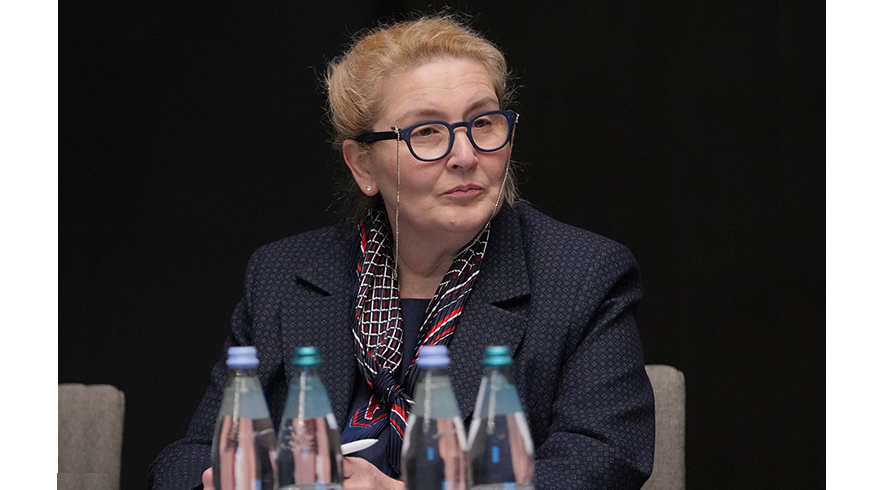
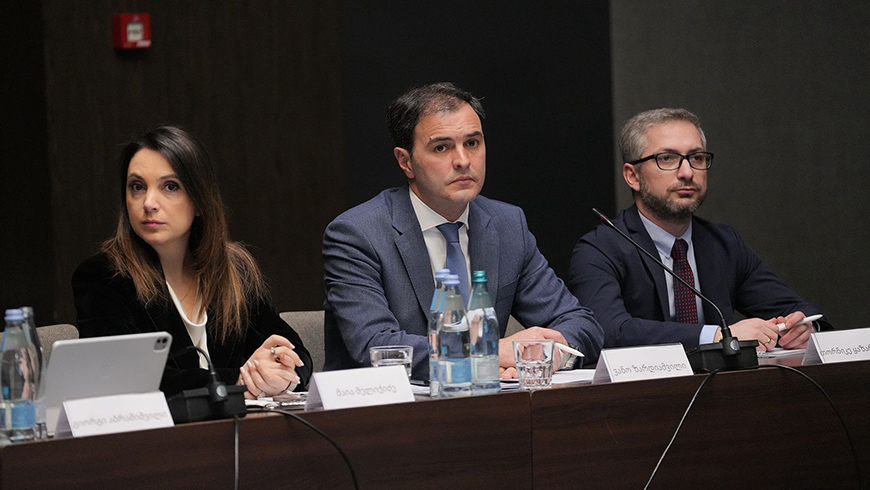
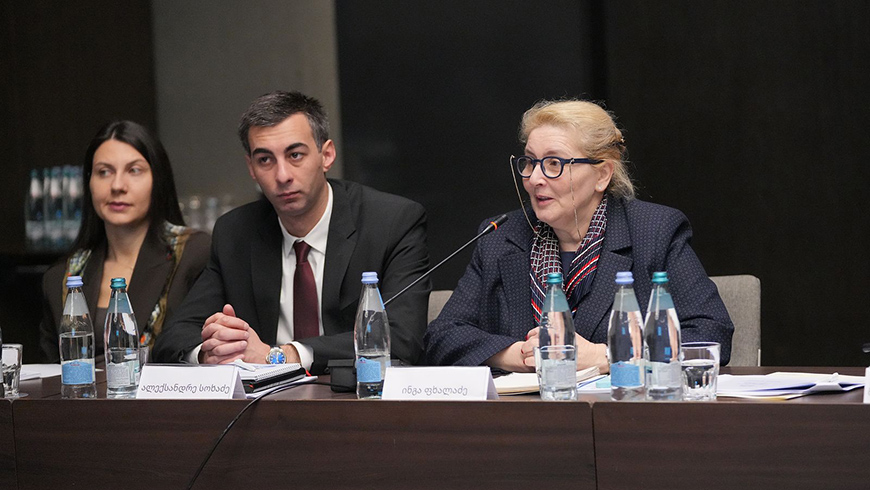
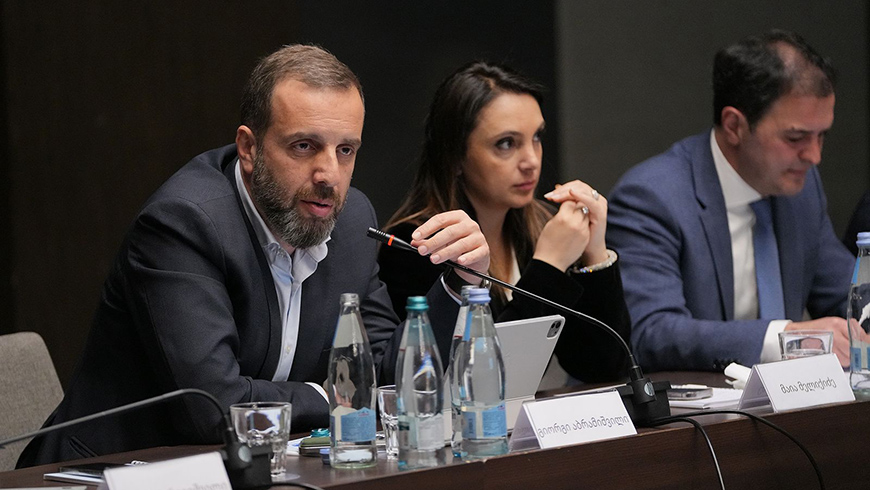
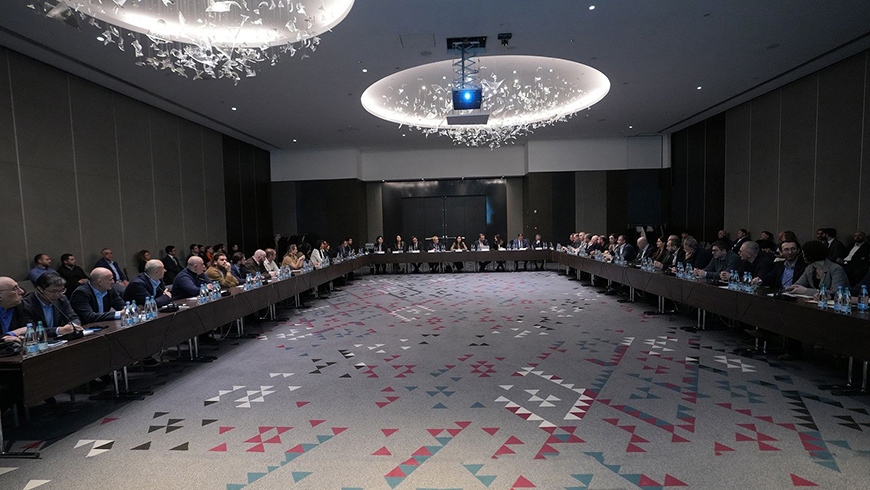
The meeting was organized by the Renewable Energy Association GreDA. It was attended by Deputy Minister of Economy and Sustainable Development Inga Phkhaladze, General Director of Georgian State Electrosystem Vano Zardiashvili, General Director of ESCO Tornike Kazarashvili, Director of the Georgian Energy Development Fund Vladimir Dzneladze, as well as heads of relevant energy departments.


- SERVICES
- Inventory of Licenses and Permits
- Tourism
- Communication, Information and Modern Technologies
- National Quality Infrastructure
- ECONOMIC POLICY
- SME Development Strategy of Georgia
- Foreign Trade
- Energy
- Transport
- Communications, Information and Modern Technologies
1403
2 99 11 11
2 99 11 61
2 99 11 70